
vulnerability
Cybercriminals Embrace "Vibe Hacking" as AI Tools Lower Entry Barriers to Crime
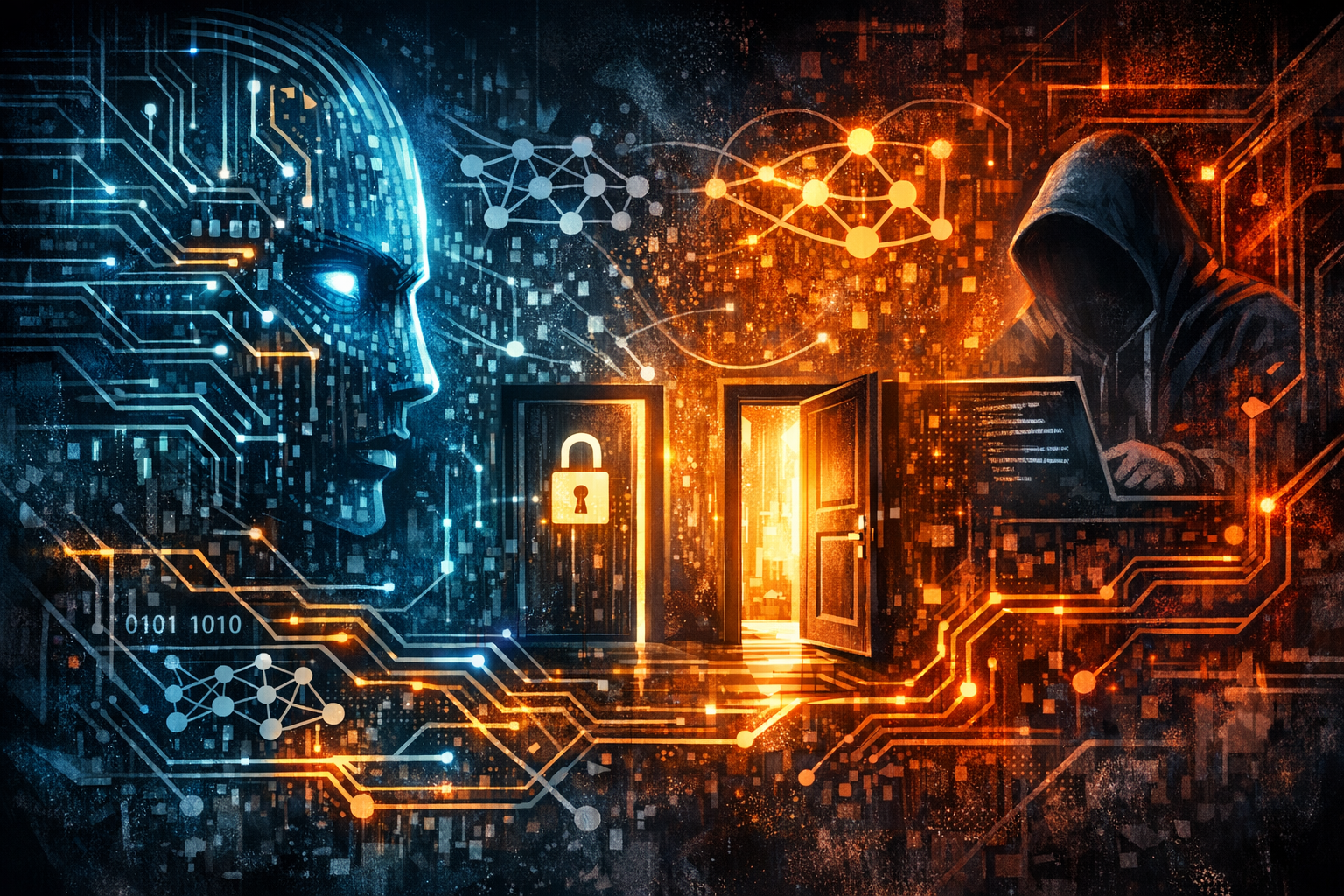
Underground forums are buzzing with talk of artificial intelligence, but hackers aren't debating ChatGPT's capabilities or pondering AI's philosophical implications. Instead, they're positioning AI as the ultimate shortcut to easy money, fundamentally reshaping how cybercrime operates and who can participate in it.
The shift represents more than just new tools entering the criminal ecosystem. It signals a philosophical change where technical expertise matters less than confidence in AI-generated guidance, creating what underground communities call "vibe hacking" and potentially democratizing cybercrime in dangerous ways.
## What Happened
Across dark web forums, Telegram channels, and underground marketplaces, cybercriminals have adopted AI not as revolutionary technology but as reassurance that deep technical skills are no longer required for successful attacks. This mindset mirrors the tech industry's embrace of "vibe coding," where developers describe desired outcomes to AI systems rather than writing precise code themselves.
The criminal adaptation, dubbed "vibe hacking," treats AI outputs as authoritative guidance regardless of the user's understanding of underlying systems. The philosophy is simple: if the AI sounds confident, the output must be sufficient for criminal purposes.
This approach has spawned an entire ecosystem of AI-branded criminal tools with names like FraudGPT, PhishGPT, WormGPT, and Red Team GPT. These systems promise to write phishing emails, generate scam scripts, explain vulnerabilities in plain language, and provide step-by-step attack guidance to users with minimal technical background.
The tools themselves often amount to language models wrapped around criminal prompts, templates, or recycled guides. However, their actual sophistication matters less than their psychological impact on potential criminals who feel empowered to act without traditional expertise.
When mainstream AI services implement safeguards against malicious use, the underground has quickly commoditized workarounds. Russian-language Telegram channels now exist specifically to trade AI jailbreaking techniques, offering methods to bypass content filters as readily as any other criminal service.
## Why It Matters
The "vibe hacking" phenomenon represents a fundamental shift in cybercrime's barrier to entry. Historically, successful cyberattacks required technical knowledge, tool familiarity, or connections within criminal networks. AI tools promise to eliminate these requirements, potentially expanding the pool of active threat actors significantly.
This democratization effect poses several risks to organizations and individuals. First, the volume of attacks may increase as more people gain confidence to attempt cybercrime. Second, attack sophistication could become more unpredictable as AI-guided criminals pursue techniques they don't fully understand, potentially creating novel combinations or unexpected attack vectors.
The psychological aspect proves equally concerning. By framing cybercrime as intuition-driven rather than skill-based, these tools may attract individuals who previously viewed hacking as beyond their capabilities. The "anyone can do this" messaging specifically targets newcomers to criminal activity.
However, the actual capabilities of these AI criminal tools remain questionable. Many underground offerings appear to be repackaged existing knowledge rather than genuinely advanced AI systems. The gap between marketing claims and actual functionality may lead to failed attacks, but it also creates unpredictability as users attempt techniques they don't understand.
The commoditization of AI jailbreaking techniques presents another challenge for legitimate AI companies trying to prevent misuse of their systems. As bypass methods become standardized and traded like other criminal services, maintaining effective safeguards becomes increasingly difficult.
Organizations face the additional challenge of preparing for attacks that may combine AI efficiency with human unpredictability. Traditional security measures assume certain levels of attacker knowledge and behavior patterns that may no longer apply when AI guides the attack process.
## What To Do
Security teams should adapt their defensive strategies to account for potentially increased attack volumes and unpredictable attack patterns. Monitor for signs of AI-generated content in phishing emails, which may exhibit certain linguistic patterns or inconsistencies that human-written attacks typically avoid.
Enhance employee training programs to address AI-generated social engineering attempts. Traditional phishing awareness may prove insufficient against AI-crafted messages that can adapt tone, style, and content to specific targets more effectively than template-based approaches.
Implement additional layers of verification for sensitive actions, particularly those targeted by common AI-assisted attacks like account takeovers and credential theft. Multi-factor authentication becomes even more critical when attackers can generate convincing social engineering content at scale.
Organizations should also strengthen monitoring for unusual access patterns or behaviors that might indicate successful attacks by less sophisticated actors who gained access through AI assistance but lack the knowledge to operate stealthily once inside systems.
Security teams need to stay informed about specific AI tools circulating in underground markets. Understanding their claimed capabilities and actual limitations helps predict likely attack vectors and prepare appropriate defenses.
Consider implementing AI detection tools where appropriate, though recognize that distinguishing between legitimate AI use and malicious AI use presents ongoing challenges. Focus on detecting the outcomes of AI-assisted attacks rather than the AI use itself.
Regular security assessments should now account for the possibility that attackers may attempt techniques they don't fully understand. This means testing not just against known attack patterns but also against technically imperfect attempts that might succeed through persistence or luck rather than skill.
## The Road Ahead
The emergence of "vibe hacking" and AI-branded criminal tools marks an inflection point in cybersecurity. While the actual technical capabilities of these tools may be overstated, their psychological impact on criminal recruitment and confidence appears significant.
Organizations must prepare for a threat landscape where attack volume may increase even as individual attacker sophistication becomes more variable. The key lies in strengthening fundamental security practices while remaining alert to the unpredictable nature of AI-guided attacks.
The underground's rapid adoption of AI tools also demonstrates the cybercriminal ecosystem's adaptability. As legitimate AI systems implement stronger safeguards, expect continued innovation in bypass techniques and purpose-built criminal AI tools with fewer built-in restrictions.
**